Written by Nutrient Nation
For many young athletes, the off season feels like a break from training or competition. Training sessions are reduced, games disappear from the calendar, and the pressure to perform reduces for a while. While training volume may change, nutrition remains one of the most important factors in an athlete’s long term growth and development.
The off season is not a time to abandon healthy eating habits, but instead using it as an opportunity to support growth, recovery, skill development, and overall health.

Why does off season nutrition matter?
Young athletes are unique because they are balancing two important processes at the same time: athletic development and physical growth. Their bodies require adequate nutrition not only to support training but also to fuel normal growth, bone development, and hormonal changes.
During the off season, athletes should focus on:
- Building strength and muscle with a change in training focus.
- Improving movement quality with training.
- Recovering from a long competitive season and allowing the body to rest.
- Addressing injuries or physical imbalances
- Preparing for future performance goals
Proper nutrition provides the foundation for all of these objectives.
Adjusting calories without sacrificing nutrition
One of the biggest mistakes young athletes make during the off season is drastically reducing food intake because they feel they are exercising less. While energy needs may decrease slightly if training volume drops, the body still requires enough nutrition to support growth and development whilst the body is not under as much strain.
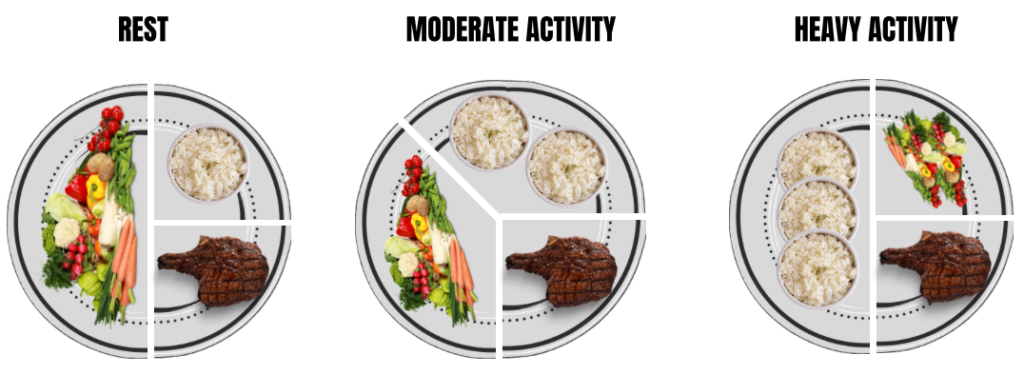
Instead of cutting meals, athletes should focus on matching their food intake to their previous activity levels. Training days may require more carbohydrates and overall energy, while lighter days may require slightly smaller portions.
The goal is not to eat less, it is to eat smarter.
Prioritise protein for growth and recovery
Protein plays a critical role in muscle repair, strength development, and recovery from training sessions.
Good protein sources include:
- Lean chicken and turkey
- Fish and seafood
- Eggs
- Greek yogurt
- Milk
- Cottage cheese
- Beans and lentils
- Tofu and soy products
- Lean beef
Young athletes should aim to spread out total protein intake across the day by including a source of protein at each meal and snack throughout the day rather than consuming most of it at dinner.
Examples include:
- Greek yoghurt with fruit at breakfast
- Chicken sandwich at lunch
- Chocolate milk after training
- Grilled chicken at dinner
Consistent protein intake supports recovery and helps maximise the benefits of strength training programs.

Don’t fear carbohydrates
Carbohydrates are often given a bad reputation, but they remain the body’s preferred source of energy for training and sport performance. Even during the off season, young athletes need carbohydrates to fuel growth and support recovery.
Complex carbohydrate sources include:
- Whole-grain breads and cereals
- Oats
- Rice
- Pasta
- Potatoes
- Sweet potatoes
- Fruit
- Beans
Rather than eliminating carbohydrates, athletes should focus on adjusting portion sizes based on activity levels.
Focus on fruits and vegetables
The off season is an ideal time to improve overall eating habits and nutritional baseline.
Fruits and vegetables provide:
- Vitamins and minerals
- Antioxidants
- Fibre
- Immune system support
A simple goal is to include fruits or vegetables at every meal and snack whenever possible.
Colorful choices such as berries, oranges, spinach, carrots, tomatoes, and bell peppers provide a wide range of nutrients that support recovery and long-term health.
Hydration still counts
Many athletes only think about hydration during games and competitions. However, proper hydration remains important year round.
Dehydration can affect:
- Energy levels across the day
- Concentration and fatigue at school.
- Recovery from training sessions.
- Physical performance during training.
Water should be the primary beverage throughout the day. Athletes participating in longer or more intense training sessions may also benefit from sports drinks when appropriate, but water should remain the foundation of daily hydration.
A simple hydration check is urine color, pale yellow typically indicates adequate hydration.

Sample off season snack ideas
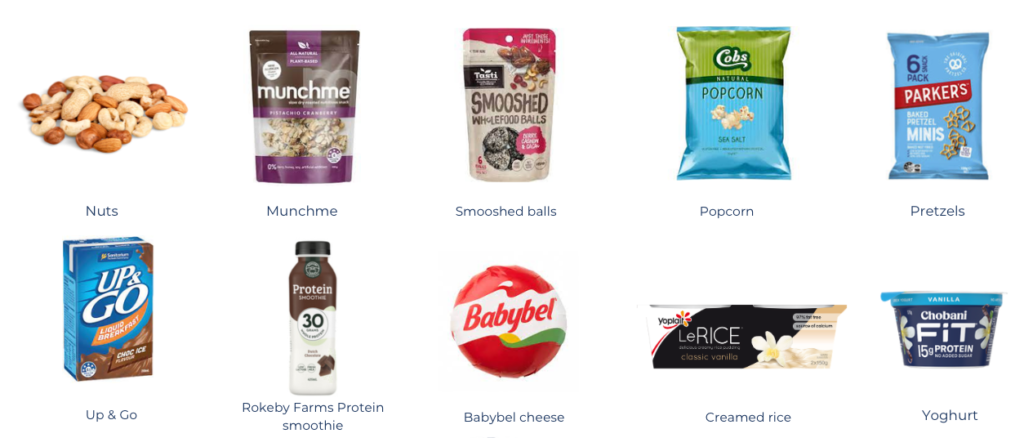
Healthy snacks can help athletes meet their nutritional needs between meals.
Try:
- Greek yogurt with berries
- Apple slices with peanut butter
- Cheese and whole-grain crackers
- Smoothies made with milk, fruit, and yogurt
- Trail mix with nuts and dried fruit
- Turkey roll-ups
- Cottage cheese with fruit
These options provide a combination of carbohydrates, protein, and healthy fats to support growth and recovery.
Final thoughts
The off season is often viewed as a break from competition, but it should not be a break from good nutrition. For young athletes, these months provide a valuable opportunity to build healthy habits, support growth, improve recovery, and prepare for future success.
By focusing on balanced meals, consistent protein intake, variety carbohydrates, hydration, and adequate recovery, young athletes can enter the next season stronger, healthier, and better prepared to perform at their best.