Written by Nutrient Nation
The end of school holidays can bring a big change in routine for student athletes. After weeks of later mornings, relaxed schedules and less structured days, athletes are suddenly balancing early starts, full days at school, homework, training sessions and competitions.
With so much happening, nutrition can often become an afterthought, but maintaining a consistent eating routine is one of the best ways student athletes can support their energy, recovery and performance throughout the holidays and term.
Here are some simple back-to-school nutrition strategies to help student athletes fuel their bodies and get the most out of their sport.

- Start the day with a performance focused breakfast
Breakfast is often the first challenge when returning to school. Early mornings, rushing out the door and busy schedules can make it tempting to skip eating, but starting the day under-fuelled can impact concentration, energy levels and training quality.
A balanced breakfast provides the fuel needed to support learning at school and performance later in the day.
Aim to include a combination of carbohydrates, protein and healthy fats.
Some easy breakfast ideas include:
- Overnight oats with yoghurt, fruit and nuts
- Eggs on toast with avocado
- Smoothies with milk, fruit and oats
- Cereal with milk and fruit
- Breakfast wraps with eggs and cheese
- Up & go with a cheese sandwich and piece of fruit
Remember, breakfast doesn’t have to be complicated, as long as there is a source of carbohydrates, fats and protein. A simple meal eaten consistently is better than a “perfect” breakfast that doesn’t happen.

- Pack enough food to support a busy day
For adolescent athletes, a school day can be a long time between breakfast and training. A small lunch or a few snacks may not provide enough energy to support both school and sport.
Not eating enough during the day can leave athletes feeling tired, struggling to focus and lacking energy during training.
A good school day nutrition plan might include:
- Breakfast: A meal to start the day with energy and focus.
- Morning snack:
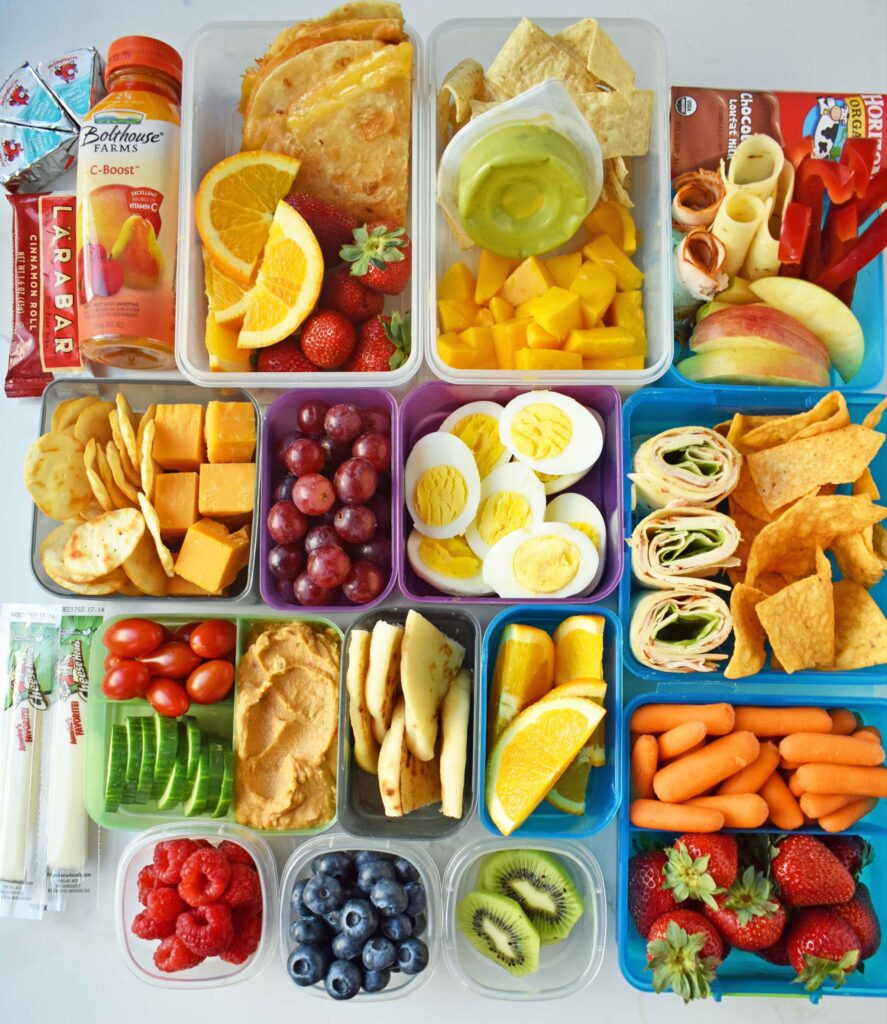
Something easy to eat between classes, such as fruit, yoghurt, a muesli bar or a homemade snack. Remember to think of options they can eat on the go. - Lunch:
A filling meal containing carbohydrates and protein, such as a sandwich, wrap, pasta dish, rice bowl or leftovers. Think about whether or no they have access to a microwave, toasty machine or will they have to eat it cold. - Afternoon snack:
A pre-training high carbohydrate option to provide energy before exercise OR if they are not heading to training then a snack consisting of carbohydrates and proteins.
Think of snacks as part of your training plan, they are helping you show up ready to perform.
- Fuel before training
Many student athletes finish school and head straight to training. This often means there can be a 3-5 hour gap between lunch and exercise.
Going into training without enough fuel can impact:
- Energy levels during training
- Strength and power output.
- Training intensity and performance
- Recovery afterwards can be delayed.
A carbohydrate rich snack before training can help provide quick and accessible energy.
Some great pre-training snack options include:
- Banana with honey
- Toast with jam or honey
- Dried fruit or sweet snack
- A oat muesli bar and fruit
- Smoothie with banana.
- Sugary breakfast cereal with small amount of milk
- Bagel or sandwich.
The best choice will depend on the athlete, the sport and how much time they have before training. Aim for 1g/kg of body weight, 1 hour before training.

- Don’t forget recovery after sport
Training doesn’t stop when the session ends. What athletes eat afterwards plays an important role in recovery and preparing the body for the next session.
A good meal or snack includes the 4 R’s of recovery:
- Refuel with carbohydrates to replace energy stores
- Repair with protein to support muscle repair and adaptation
- Revitalise with micronutrients such as fruits and vegetables.
- Rehydrate with fluids to maintain or re-establish hydration.
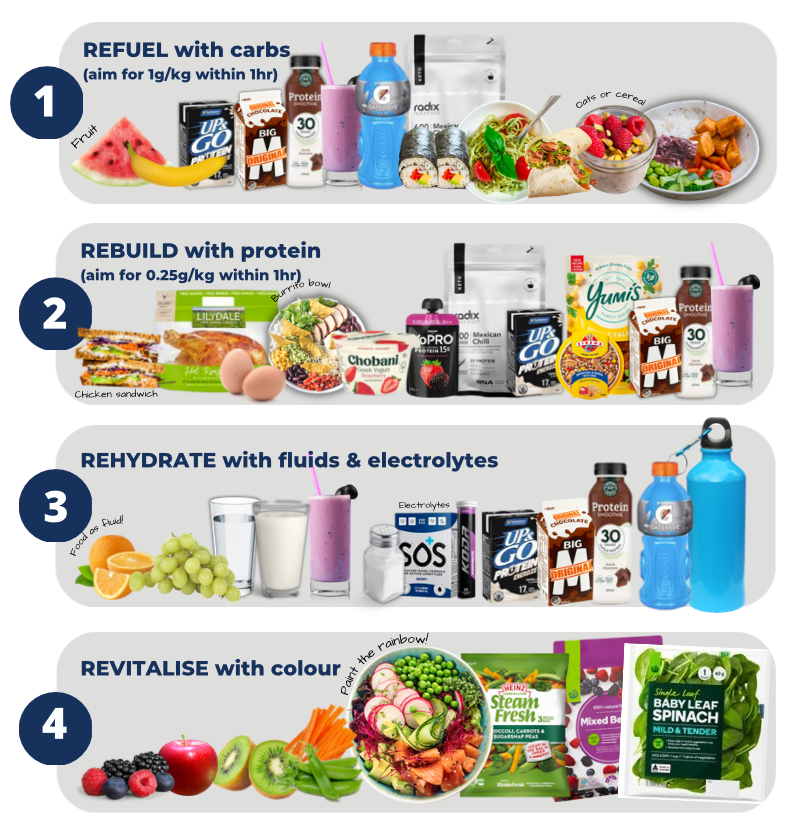
For athletes training multiple times per week, consistent recovery nutrition becomes even more important.
- Prepare for busy weeks
The return to school often means less time for cooking and planning. Having simple strategies in place can make it easier to stay consistent.
Try:
- Preparing snacks ahead of time
- Keeping quick options available at home
- Cooking extra dinner portions for leftovers
- Having easy breakfast options ready
- Packing food the night before
The goal isn’t to create a perfect nutrition routine, it’s to create one that works alongside school,
training and everyday life.
The takeaway
Back to school is the perfect time for student athletes to reset their nutrition habits. By prioritising regular meals, enough snacks and smart fuelling around training, athletes can improve their energy, recovery and performance throughout the season.