Written by Nutrient Nation
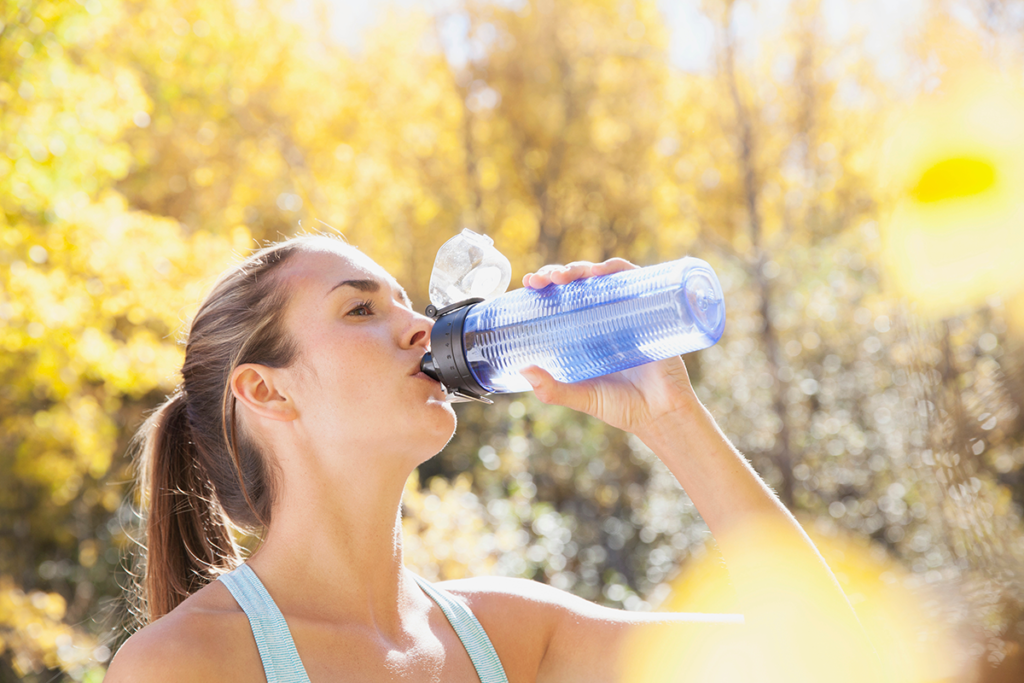
As the weather starts to heat up, hydration becomes an even more important part of an athlete’s nutrition routine. Training in warmer conditions increases sweat losses, which means athletes need to be more intentional and proactive with their fluid intake to support performance, recovery and overall wellbeing.
Whether you’re training on the field, in the gym, on the track or competing on game day, having a hydration plan can make a big difference.

Why hydration matters for performance
Water plays an important role in many processes that help athletes perform, including regulating body temperature, transporting nutrients and supporting muscle function.
When athletes become dehydrated, it can lead to:
- Reduced endurance and exercise capacity by 5%
- Increased fatigue
- Difficulty concentrating
- Headaches or dizziness
- Decreased training quality and reaction time by 1-2 seconds.
- Increased perception of effort (training feels harder) by 1-2 RPE.
Even small fluid losses (as minimal as 2%) through sweat can impact how you feel and perform, especially during longer or higher-intensity sessions.
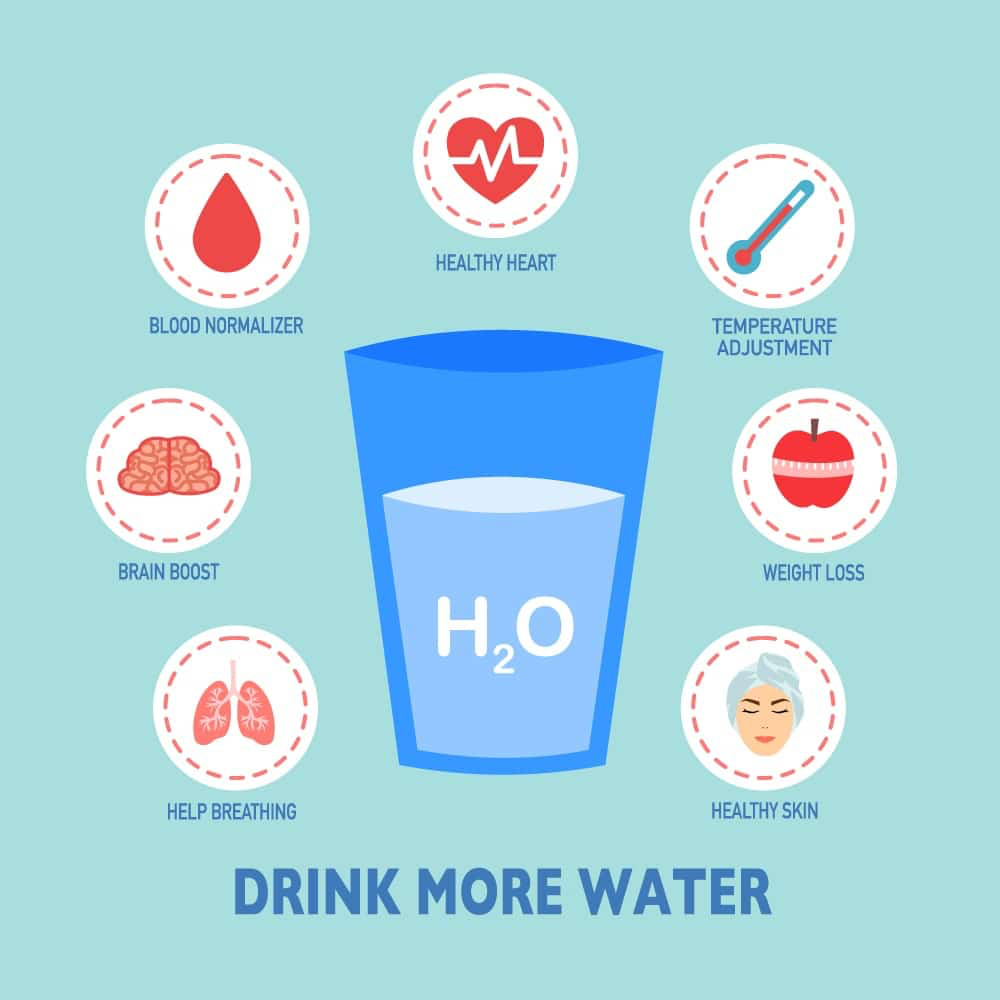
Start training hydrated
Hydration doesn’t start when you pick up your drink bottle, it also is important throughout the day. A common mistake athletes make is trying to “catch up” on fluids right before training. While drinking before exercise is helpful, staying hydrated consistently is the best approach.
Simple habits to support hydration during the day, preparation for training:
- Carry a water bottle with you during the day, have it somewhere accessible at all times.
- Drink regularly rather than waiting until you’re thirsty, plan for a sip of water in between classes.
- Include fluids with meals and snacks
- Check your urine colour as a general guide (pale yellow usually indicates good hydration)
Hydration before, during and after training
Before training
Heading into a session hydrated can help your body regulate temperature and maintain performance.
Aim to:
- Drink fluids regularly throughout the day
- Have a drink with your pre-training meal or snack
- Start sessions with a full bottle ready to go
Aim for around 10ml/kg body is usually sufficient in 2 hours prior, on top of regular fluid intake
During training
For shorter, lower-intensity sessions, water may be enough.
However, athletes training for longer periods, sweating heavily or exercising in hot conditions may benefit from replacing both fluids and electrolytes.
During longer sessions (>90minutes) consider:
- Water
- Electrolyte drinks
- Sports drinks (especially for high-intensity endurance sessions)

Replenish 0.5-1L / hr OR 250ml every 15-30mins OR if you know your sweat rate, aim to consume this during training.
After training
Recovery isn’t just about food, replacing fluids lost through sweat is also important.
After training:
- Rehydrate with fluids and monitor the colour of your urine.
- Include sodium if you have had heavy sweat losses
- Pair fluids with a recovery meal or snack
Replace fluid and electrolyte deficit. Rehydration can occur over hours and should total 125-150% of calculated losses.
Do athletes need electrolytes?
Electrolytes (especially sodium) help the body maintain fluid balance and are lost through sweat.
Athletes may benefit from electrolytes when they:
- Train for long durations (>90minutes)
- Sweat alot
- Have salty sweat, you will notice salt build up on your clothes if this is applicable to you.
- Train multiple times per day
- Exercise in hot and humid conditions – this may be seasonal.
For everyday training, water plus a balanced diet is often enough. The right hydration strategy depends on the athlete, sport, environment and sweat rate.
The takeaway
Hydration is one of the simplest ways athletes can support performance in summer. A good hydration routine helps you train harder, recover better and stay ready for every session.