

Written by Nutrient Nation
Winter often brings an increase in coughs, colds, sore throats, and other illnesses. For young athletes, staying healthy can be particularly challenging during this time of year. Between school, training, competitions, and social activities, young athletes are exposed to a variety of bugs and germs that can increase their risk of getting sick.
Understanding why athletes may be more vulnerable during winter can help parents, coaches, and athletes take proactive steps to support health and performance throughout the season.

Increased exposure to viruses
One of the biggest reasons illness rates rise during winter is increased exposure to viruses. As temperatures drop, people tend to spend more time indoors in classrooms, gyms, public transport, and shared training facilities.
These environments make it easier for viruses to spread through close contact, shared surfaces, and airborne particles. Young athletes often move between school, training, competitions, and social activities, increasing the number of people they interact with each day.
The more exposure an athlete has to others, the greater the chance of encountering common winter illnesses.
Why are athletes more vulnerable during winter?
Athletes have additional demands on their bodies through high training volume and competition, as well as growth and development. During training sessions, the immune system can become temporarily stressed, particularly when recovery is inadequate.
Factors that may increase illness risk include:
- Poor nutrition/ undereating.
- Inadequate sleep
- Dehydration
- High training loads
- Academic stress or social stress
- Exposure to viruses in schools, gyms, and public spaces
The combination of these factors can leave young athletes more susceptible to common winter illnesses.
Athletes who are sick consistently miss more than 22 days of training within a year. 80% training availability is the marker for performance success. You are 7-times more likely to achieve a performance goal if completed >80% training sessions.
Fuel your immune system with good nutrition
A strong immune system starts with a balanced diet. Rather than relying on supplements or quick fixes, athletes should focus on consistently consuming a variety of nutrient rich foods which will help fight off germs/ bugs as you are exposed to them.
Key nutrition habits include:
- Eat plenty of fruits and vegetables
Fruits and vegetables provide vitamins, minerals, antioxidants, and other compounds that support immune health.
Aim to include a variety of colours each day, such as:
- Berries
- Citrus fruits
- Apples
- Carrots
- Spinach
- Broccoli
- Capsicum
- Tomatoes
The more variety, the wider the range of nutrients available to support the body’s defence systems.

- Prioritise protein
Protein supports recovery, muscle repair, and immune function.
Good sources include:
- Lean meats
- Fish
- Eggs
- Dairy products
- Tofu
- Beans and lentils
- Nuts and seeds
Including protein at each meal and snack can help support both athletic performance and overall health.
- Don’t skip meals
Busy training schedules can make it tempting to skip breakfast or delay meals. However, consistent energy intake helps support recovery and immune function.
Regular meals and snacks provide the nutrients needed to keep the body functioning optimally during periods of training and growth.

Make Sleep a Priority
Sleep is one of the most powerful and main recovery tools available to young athletes.
During sleep, the body:
- Repairs tissues which have been broken down during training
- Supports immune function
- Consolidates learning and skill development
- Produces important growth and recovery hormones
Most young athletes should aim for 8-10 hours of sleep each night.
Helpful sleep habits include:
- Maintaining a regular bedtime, aiming for the same time every night.
- Limiting screen time ~30-45 minutes before bed
- Keeping the bedroom cool and dark, reduce distractions and exposure to light.
- Avoiding caffeine late in the day, no later than mid day.
A lack of sleep can significantly increase the risk of illness and prolong recovery times.
Practice good hygiene
Simple hygiene habits remain one of the most effective ways to reduce the spread of winter illnesses.
Encourage athletes to:
- Wash hands regularly with soap and water
- Use hand sanitiser when necessary
- Avoid touching their face unnecessarily
- Cover coughs and sneezes
- Avoid sharing drink bottles, towels, or mouthguards
These small habits can help reduce exposure to common viruses and bacteria.
Recover properly after training
Hard training sessions are important for athletic development, but recovery is equally important.
After every training session, you should focus on the 4 R’s of recovery:
- Refuel with carbohydrates
- Repair with protein
- Replenish with fluids
- Revitalise with fruit and vegetables
Athletes who constantly train while fatigued may place additional stress on their immune system, increasing their risk of illness.
Listen to early warning signs
Young athletes are often eager to continue training despite feeling unwell. However, ignoring early symptoms can sometimes lead to longer periods away from sport.
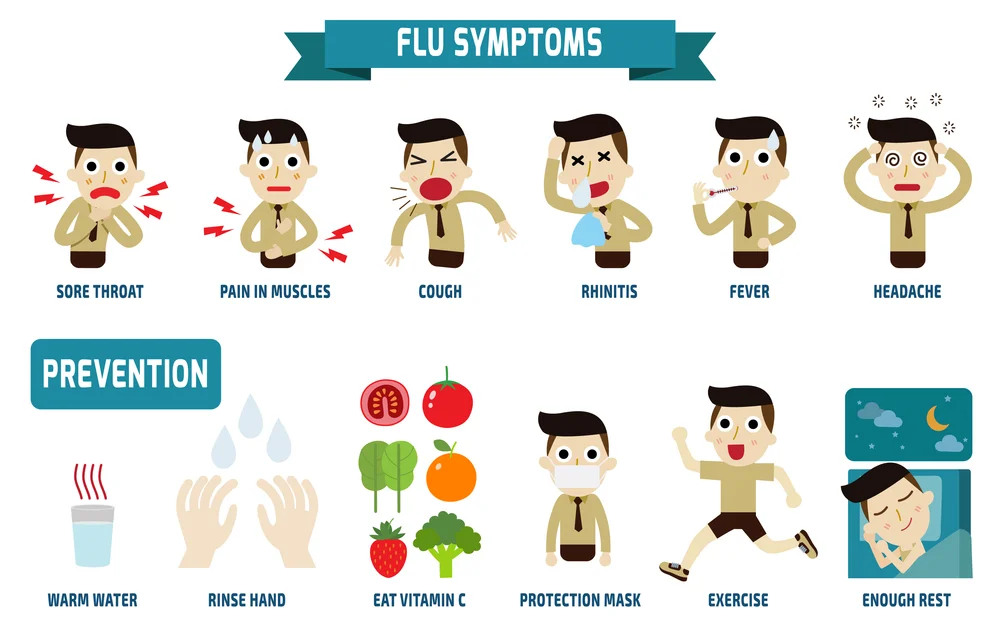
Signs that may require extra recovery include:
- Persistent fatigue
- Sore throat
- Fever
- Ongoing cough
- Significant muscle aches
- Difficulty concentrating
Parents, coaches, and athletes should work together to ensure appropriate rest and recovery when illness occurs.
Build healthy habits, not perfect habits
No strategy can guarantee a completely illness free winter. However, athletes who consistently focus on nutrition, hydration, sleep, hygiene, and recovery give themselves the best chance of staying healthy.
Success during winter is not about perfection. It is about building daily habits that support both athletic performance and overall wellbeing.
Final thoughts
Winter can be a demanding season for young athletes, but it also presents an opportunity to develop healthy habits that last far beyond sport. By prioritising quality nutrition, adequate sleep, proper hydration, good hygiene, and smart recovery practices, young athletes can reduce their risk of illness and stay ready to train, compete, and perform at their best throughout the season.